Sewage Backup & Black Water Cleanup in Leander, TX
Sewage backup and black water cleanup in Leander, TX addresses water damage involving contaminated sources — sewer backups, drain backups, and toilet overflows involving wastewater. Sewage-contaminated water presents fundamentally different cleanup concerns than clean-water plumbing leaks, because it carries biological contamination that affects how affected materials are handled, what can be salvaged, and what safety precautions are required. Leander Water Damage Restoration focuses on area evaluation, containment where appropriate, contaminated water removal, evaluation of porous affected materials, cleaning, drying, and moisture review. This page does not encourage property owners to handle contaminated sewage themselves, and it does not diagnose sewer systems. For homes and businesses in Leander and the surrounding North Austin area, professional cleanup helps address contaminated water safely. If you have a sewage backup, call 737-379-0924 to discuss cleanup.
What Sewage and Black Water Cleanup Includes in Leander
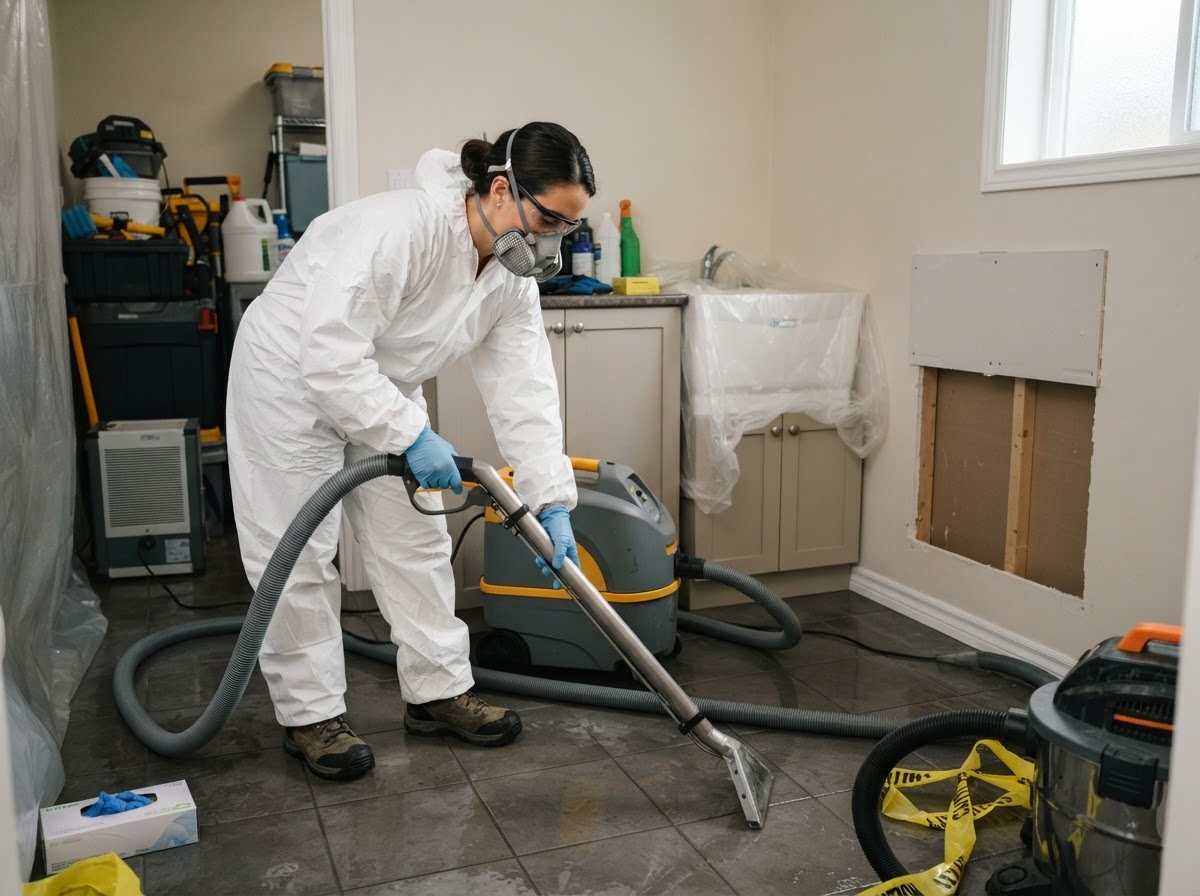
Sewage and black water cleanup is the restoration process for water damage involving contaminated sources, and it differs fundamentally from clean-water cleanup. Sewage-contaminated water — from sewer backups, drain backups, toilet overflows involving wastewater, and wastewater intrusion — carries biological contamination that affects every cleanup decision. Unlike clean supply water from a pipe leak, black water requires containment to limit the spread of contamination, removal of contaminated water with appropriate precautions, evaluation of porous affected materials to determine what can be salvaged versus what must be removed, cleaning of affected areas, drying of retained materials, and moisture review. A key principle is that contaminated porous materials often cannot be safely salvaged: carpet, carpet padding, drywall, and insulation that have absorbed sewage-contaminated water typically need to be removed rather than dried, because drying does not address the contamination within the material. Non-porous and semi-porous materials may be cleaned and retained depending on the extent of exposure. This page does not diagnose sewer systems or determine the cause of a backup — that is handled separately. The restoration focus is on safely addressing the contaminated water and affected materials after the source is controlled. Because sewage-contaminated water should not be treated as ordinary household water, professional cleanup with appropriate precautions is important. Property owners should not walk through or directly handle sewage-contaminated water, and the affected area should be avoided until cleanup begins.
Common Sources of Sewage & Black Water in Leander
Sewage and black water damage in Leander properties comes from several sources. Sewer backups occur when the main sewer line is blocked or overwhelmed, sending wastewater back through drains and into the property. Drain backups affect individual drain lines, sending water back through sinks, tubs, or floor drains. Toilet overflows involving contaminated water — where the overflow contains wastewater rather than clean water — require black-water cleanup protocols rather than ordinary water damage cleanup. Wastewater intrusion from exterior flooding or sewer system issues can bring contaminated water into ground-level spaces. Plumbing blockage-related overflows, where a blockage causes water to back up and overflow, can involve contaminated water depending on the source. It is important to distinguish between a clean-water toilet overflow — such as a tank overflow with clean water — and a contaminated overflow involving wastewater, as the cleanup approach differs significantly. This page does not diagnose sewer systems or plumbing blockages; those are addressed separately. The restoration focus is on the contaminated water and affected materials after the source is controlled. Warning signs of a sewage or black water problem include water backing up through drains, wastewater appearing at floor drains or plumbing fixtures, sewage odors, slow or gurgling drains, and visible contaminated water. Because sewage-contaminated water presents health concerns, avoid direct contact with the water, do not walk through contaminated areas, and avoid tracking contamination into unaffected areas. If the affected area includes electrical hazards, avoid it entirely until it is confirmed safe.
How Sewage & Black Water Cleanup Works in Leander
Sewage cleanup follows a structured sequence with particular attention to containment and contamination control. Procedures vary based on the source and extent, but a typical approach includes:
- 1
Area Evaluation
The contaminated water source, extent, and affected materials are assessed. The water category is confirmed as black water. Safety and contamination hazards are identified, and electrical concerns are addressed before work begins. The area is avoided by occupants.
- 2
Containment Where Appropriate
Containment may be used to limit the spread of contamination to unaffected areas during cleanup. This helps prevent biological contaminants from traveling through air or foot traffic into adjacent rooms while affected materials are addressed.
- 3
Contaminated Water Removal
Contaminated water is extracted with appropriate precautions using commercial extraction equipment. Handling differs from clean-water extraction due to the contamination present. The water is removed from flooring and accessible areas throughout the affected zone.
- 4
Evaluation of Porous Affected Materials
Porous materials — carpet, carpet padding, drywall, insulation — that have absorbed contaminated water are evaluated for removal, as drying does not address the contamination within them. Non-porous and semi-porous materials are assessed for cleaning and retention.
- 5
Cleaning
Affected areas and retained materials are cleaned. Removed porous materials are addressed. Cleaning focuses on the contaminated water and affected surfaces throughout the affected zone, following the water category assessment.
- 6
Drying & Moisture Review
Retained materials are dried with air movers and dehumidifiers, and final moisture readings confirm they have reached drying goals. The timeline depends on the extent, materials retained, and moisture levels. Cleanup is not complete until moisture readings confirm retained materials are dry.
Because contaminated porous materials typically cannot be safely salvaged, this page does not promise that contaminated carpet or drywall can always be saved. The water category determines what is removed versus what is cleaned and dried, and cleanup is not complete until retained materials are verified dry.
Why Professional Sewage Cleanup Matters for Leander Properties
Professional sewage and black water cleanup matters because contaminated water presents health and material concerns that clean-water cleanup does not address. Sewage-contaminated water carries biological contamination that affects which materials can be salvaged — porous materials that have absorbed black water typically need to be removed rather than dried. Without proper containment, contamination can spread to unaffected areas through air and foot traffic. Without proper categorization, contaminated materials might be treated as if they were clean-water-affected, creating ongoing concerns. Professional cleanup brings area evaluation, containment, contaminated water removal with appropriate precautions, material evaluation, cleaning, and controlled drying together in a process tailored to the contamination present. For Leander properties near US-183, the 183A Toll Road, Crystal Falls Parkway, and Ronald Reagan Boulevard, sewage cleanup focuses on safely addressing contaminated water and affected materials. Serving Leander and surrounding Williamson County and North Austin communities, the process follows the water category to determine what is removed versus what is cleaned and dried. Depending on the source, these related services may also be relevant:
Sewage Backup & Black Water Cleanup FAQs for Leander, TX
Need Sewage Backup Cleanup in Leander?
If a sewer backup, drain backup, or contaminated toilet overflow is affecting your Leander property, call to discuss contaminated water removal, affected-material evaluation, drying, and cleanup.